National Grid Slumps Under 4,000MW as Gas Shortage Hits Critical Levels
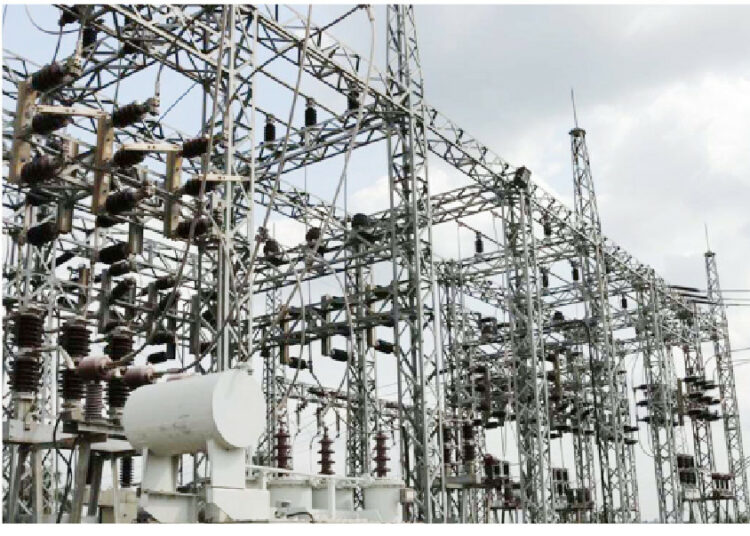
Nigeria’s power crisis took a sharp turn for the worse this morning as electricity generation on the national grid plunged to 3,940.53 megawatts (MW). The drop is being blamed on a severe shortage of gas, leaving the country’s thermal power plants running at just 40% of their capacity.
According to the Nigerian Independent System Operator (NISO), the trouble started in the early hours of Thursday. By 5:00 a.m., output was already lagging, and by 8:00 a.m., a series of unit shutdowns wiped another 292 MW off the grid.
The numbers tell a stark story: thermal plants across the country need about 1,588 million standard cubic feet of gas daily to function properly, but they are currently receiving less than half of that. Because these plants provide roughly 80% of Nigeria’s total electricity, the shortage has forced several stations to shut down entirely.
While NISO has not officially explained why the gas supply has dried up, the impact is already being felt in homes and businesses from Lagos to Abuja. For many Nigerians, this means longer periods of load shedding and a forced reliance on expensive petrol or diesel generators—a frustrating reality at a time when fuel costs are already high.
This latest dip follows a similar slump last week when generation hovered around 4,300 MW. Despite having an installed capacity of over 13,000 MW, the grid continues to struggle to stay above the 4,000 MW mark.
NISO says it is currently working with power generation companies and gas suppliers to stabilize the situation, but for now, millions of Nigerians are once again left waiting for the lights to come back on.
Share this article:
Latest News
- Saraki’s 10-Day Stay in Kwara: A Blend of Faith, Charity, and Hands-On Leadership Read more...
- 12 States Sign On: Nigeria’s Push to End "Nuisance Taxes" Gains Steam Read more...
- Dele Momodu Warns of One-Man Ballot in 2027, Slams FCT Election Conduct Read more...
- Academic Excellence Pays Off: FG Unveils N5m–N20m Awards for Top Student Research Read more...
- EFCC and Al-Hikmah University Join Forces in Anti-Corruption Initiative Read more...